Horse owners today are paying closer attention to what goes into their animals’ feed than ever before. Across the equine industry, there is growing interest in natural horse food, forage-based nutrition, and personalized feeding strategies that align with the horse’s biological needs. As a result, custom equine nutrition is becoming an increasingly important part of modern horse wellness programs.
Rather than relying on one-size-fits-all feeding methods, many horse owners and equine brands are exploring customized formulas designed around individual feeding goals, activity levels, digestive sensitivity, and ingredient preferences. This shift has fueled demand for horse wellness feed products that focus on natural ingredients, fiber-rich nutrition, and holistic feeding philosophies.
Today, custom equine nutrition is helping reshape how horse owners think about long-term wellness and everyday feeding practices.
Every horse is different. Age, workload, metabolism, body condition, forage availability, and overall health all influence nutritional needs.
A performance horse in heavy training may require a very different feeding approach than:
Traditional feed formulas are often designed to meet broad market needs, but custom equine nutrition allows for more targeted ingredient selection and feed formulation.
This personalized approach helps support more natural feeding strategies while giving horse owners greater flexibility in how they manage their horses’ nutrition programs.
Holistic horse food focuses on supporting overall wellness by using ingredients and feeding methods that align more closely with the horse’s natural digestive design.
Rather than emphasizing heavily processed ingredients or excessive starch levels, many holistic feeding programs prioritize:
This approach reflects growing awareness of equine species-specific nutrition and the importance of supporting digestive wellness through forage-centered feeding strategies.
According to the University of Minnesota Extension equine nutrition resources, horses are naturally adapted to consume forage continuously throughout the day, making fiber one of the most important components of a healthy feeding program.
Many horse owners are actively seeking natural horse food options that avoid unnecessary fillers, excessive sugars, or overly processed ingredients.
This demand mirrors broader trends across both human and animal nutrition industries, where consumers increasingly value:
As a result, equine feed manufacturers are developing more customized formulas built around forage ingredients, herbal blends, and natural nutrient sources.
Common ingredients used in natural horse food products may include:
These ingredients are often selected to support forage-based feeding strategies while creating more specialized horse wellness feed products.
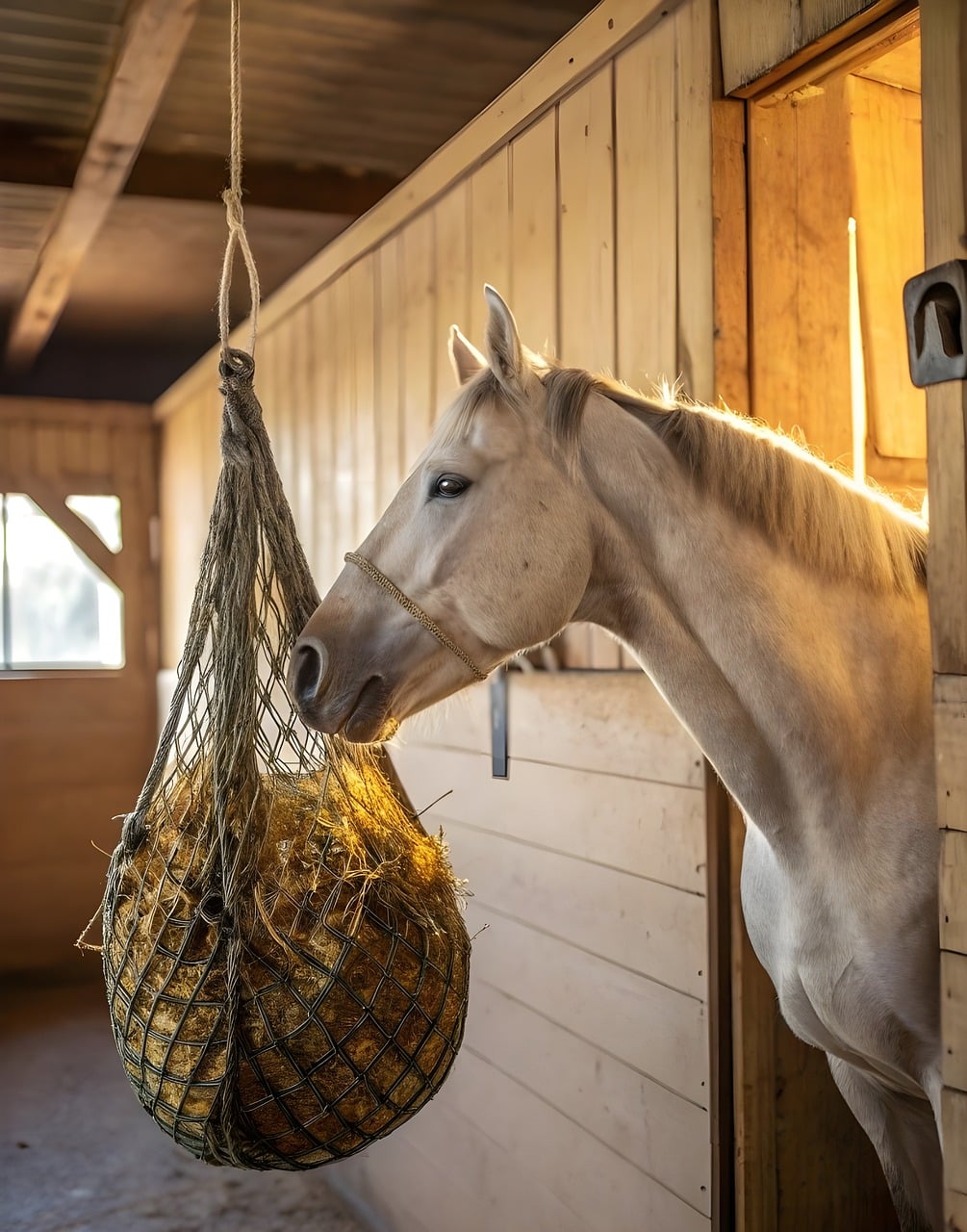
Horses evolved as grazing animals, and their digestive systems are designed to process fibrous plant material slowly throughout the day.
Forage-based nutrition supports this natural feeding behavior by emphasizing:
This is one reason forage ingredients continue to play a major role in custom equine nutrition formulas.
Ingredients such as alfalfa meal, alfalfa pellets, chopped forage, and beet pulp help create feed products that align more closely with the horse’s natural digestive needs.
The Kentucky Equine Research library has also published extensive educational material discussing the importance of forage utilization and fiber digestion in equine feeding programs.
One of the biggest advantages of custom equine nutrition is flexibility. Feed formulas can be developed around specific feeding goals, ingredient preferences, or horse populations.
Custom horse wellness feed may be formulated for:
Manufacturers can also adjust forage sources, pellet sizes, ingredient combinations, and supplement inclusions based on the intended application.
This level of customization allows equine brands to create more targeted products while supporting a growing market for natural horse food solutions.
Herbal ingredients are becoming increasingly common in custom horse feed and wellness products.
Many equine brands now combine forage ingredients with carefully selected botanicals to develop more specialized holistic horse food formulas.
Common herbal ingredients include:
These ingredients are often incorporated into horse wellness feed products designed to support broader natural feeding philosophies.
Because modern consumers are increasingly interested in ingredient transparency, many equine companies are prioritizing high-quality ingredient sourcing and custom formulation partnerships.
Businesses exploring custom equine ingredient sourcing solutions are often seeking flexible suppliers capable of supporting both forage ingredients and specialty botanical blends.
Horse owners are becoming more informed and selective when evaluating feed products. Many consumers now carefully review ingredient labels and seek out brands that prioritize quality sourcing and clean formulations.
This has encouraged growth in:
Consumers increasingly want products that align with their overall approach to animal wellness and long-term nutritional support.
Equine brands that emphasize ingredient transparency and customizable nutrition options are often better positioned to meet these evolving expectations.
As awareness of equine wellness continues to grow, custom equine nutrition is becoming an increasingly important part of the horse feed industry.
Horse owners are no longer simply searching for generic feed formulas. Instead, many are looking for products that reflect:
This shift is creating opportunities for feed manufacturers, ingredient suppliers, and equine wellness brands to develop more specialized products and partnerships.
Companies offering flexible formulation support and high-quality ingredient sourcing are becoming valuable resources within the evolving equine nutrition market.
Brands interested in developing customized products are increasingly exploring specialized equine feed and ingredient partnerships that support natural horse food development and private-label nutrition solutions.
The future of horse feed is moving toward more personalized, forage-focused, and ingredient-conscious feeding strategies.
Horse owners are increasingly prioritizing:
Custom equine nutrition helps support these goals by allowing manufacturers and equine brands to create more targeted feeding solutions built around modern equine wellness philosophies.
As demand for natural horse feed and holistic horse food continues to expand, customized nutrition programs will likely play an even larger role in shaping the future of equine wellness and feed innovation.