
The equine nutrition industry has experienced a growing interest in natural ingredients and holistic feeding philosophies over the past decade. Horse owners today are increasingly seeking products that align with forage-based nutrition, ingredient transparency, and more natural approaches to supporting overall wellness.
As a result, herbal ingredients have become an important part of many custom equine nutrition programs and horse wellness feed formulations. While forage remains the foundation of a horse’s diet, carefully selected botanical ingredients are often incorporated into specialized products designed for equine wellness markets.
Among the many herbs and botanicals available today, milk thistle seed, slippery elm bark, licorice root, magnolia bark, and Irish sea moss have become some of the most recognized ingredients used in holistic equine nutrition products.
Modern horse owners are more informed than ever about ingredient sourcing and feed formulation. Many consumers now actively read labels, research ingredients, and seek products that align with their personal approach to animal care.
This has contributed to the rise of:
Rather than relying solely on traditional feed ingredients, many equine brands are now developing formulations that combine forage-based nutrition with botanical ingredients selected for their unique characteristics.
This trend mirrors broader movements throughout the human wellness industry, where consumers increasingly seek products built around recognizable and naturally sourced ingredients.
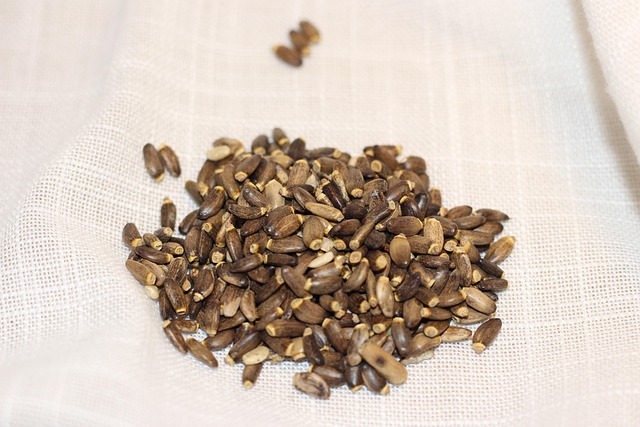
Milk thistle seed is one of the most widely recognized botanical ingredients used in both human and animal wellness products.
Derived from the flowering milk thistle plant, the seeds are commonly incorporated into herbal formulations because of their long history of traditional use.
Within the equine industry, milk thistle seed is often included in:
Its popularity has grown alongside increasing consumer interest in plant-based ingredients and holistic feeding strategies.
Many equine brands choose milk thistle seed because it pairs well with other herbal ingredients and can easily be incorporated into pelletized products, powders, and specialty formulations.
Slippery elm bark comes from the inner bark of the slippery elm tree and has been used traditionally for generations.
In equine nutrition products, slippery elm bark is frequently included as part of broader herbal ingredient blends designed for horse wellness markets.
Its popularity stems from several factors:
Slippery elm bark can be incorporated into powdered blends, pellets, custom supplements, and specialty horse wellness feed products.
As horse owners continue seeking more natural ingredients, slippery elm bark remains a common component in many holistic equine nutrition formulations.
Licorice root is another botanical ingredient that has become increasingly common in equine wellness products.
Derived from the root of the licorice plant, this ingredient has a long history of use across multiple cultures and herbal traditions.
Today, licorice root is frequently included in:
Its recognizable name and long-standing use make it appealing to both manufacturers and consumers interested in natural ingredient profiles.
Because licorice root works well alongside other botanicals, it is often found in combination formulas featuring ingredients such as milk thistle seed, slippery elm bark, and Irish sea moss.

Magnolia bark has attracted growing attention within both human and animal wellness industries in recent years.
Sourced from various species of magnolia trees, the bark has a lengthy history of traditional use throughout several cultures.
In holistic equine nutrition, magnolia bark is commonly included in:
As interest in plant-based ingredients continues to expand, magnolia bark is becoming a more familiar ingredient among equine product developers seeking diverse botanical options.
Its inclusion reflects the broader trend toward ingredient innovation within natural horse food and wellness product development.
Irish sea moss has become one of the fastest-growing ingredients in natural wellness markets.
Harvested from red seaweed species, Irish sea moss has gained popularity among consumers seeking marine-based ingredients and naturally sourced product components.
Within equine nutrition, Irish sea moss is increasingly being incorporated into:
Its rise in popularity mirrors growing consumer interest in ingredient diversity and naturally sourced nutrition products.
Many equine brands view Irish sea moss as a valuable addition to formulations designed to appeal to horse owners seeking modern, ingredient-conscious feeding options.
The demand for herbal ingredients continues to grow because horse owners increasingly want products that align with broader wellness philosophies.
Modern consumers often look for:
This has encouraged equine manufacturers to expand their offerings and develop more specialized formulations that incorporate herbal ingredients alongside traditional forage components.
Companies seeking to create these products often rely on experienced sourcing partners capable of locating high-quality ingredients and supporting custom formulation efforts.
Brands exploring custom ingredient sourcing and formulation solutions are increasingly looking for suppliers that can provide both traditional feed ingredients and specialty botanicals.
As herbal ingredients become more common in equine nutrition products, sourcing quality has become increasingly important.
Manufacturers often evaluate factors such as:
Reliable sourcing helps ensure that custom equine nutrition products maintain consistency across production runs and support long-term brand development.
This is especially important for companies producing private-label horse supplements, wellness blends, and custom feed formulations.
Most equine nutrition professionals agree that forage should remain the foundation of any horse feeding program.
According to the University of Minnesota Extension equine nutrition resources, horses are naturally adapted to consume forage throughout the day, making fiber-rich feeding programs central to equine nutrition.
Because of this, many modern equine products combine herbal ingredients with forage-based components such as:
This allows manufacturers to develop products that reflect both traditional feeding principles and modern consumer interest in botanical ingredients.
The Kentucky Equine Research library also offers educational resources covering forage utilization, feed formulation, and emerging trends in equine nutrition.
Interest in botanical ingredients is expected to continue growing throughout the equine industry. Horse owners are increasingly looking for products that emphasize natural ingredients, ingredient transparency, and customized nutrition approaches.
As a result, ingredients such as milk thistle seed, slippery elm bark, licorice root, magnolia bark, and Irish sea moss are likely to remain important components of many holistic equine nutrition products.
For feed manufacturers, supplement brands, and private-label product developers, these ingredients create opportunities to develop innovative formulations that align with evolving consumer preferences.
As holistic horse nutrition continues to gain momentum, high-quality herbal ingredients and reliable sourcing partnerships will play an increasingly important role in shaping the future of equine wellness products.