
For decades, traditional horse feed formulas often focused heavily on grains, sweet feeds, and concentrated energy sources. While these feeds may still have a place in some feeding programs, many horse owners, nutritionists, and equine wellness brands are shifting toward a more natural approach rooted in forage-based nutrition. This growing movement reflects a better understanding of equine species-specific nutrition and how horses are naturally designed to digest and utilize food.
Today’s horse owners are increasingly looking for natural horse feed options that support long-term wellness, digestive balance, and consistent energy levels. As a result, forage-first feeding strategies are becoming a major influence in modern horse feed formulas across the equine industry.
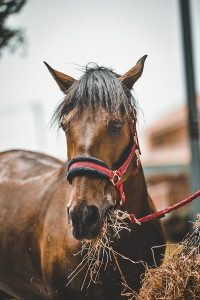
Horses are grazing animals by nature. Their digestive systems evolved to process fibrous plant material slowly throughout the day. In the wild, horses consume grasses, forage, and roughage continuously rather than eating large grain-heavy meals once or twice daily.
This is where equine species-specific nutrition becomes important. Instead of feeding horses based solely on calorie density or convenience, species-specific feeding focuses on supporting the horse’s natural digestive function.
A forage-based nutrition approach emphasizes:
When horses consume more forage and fewer highly processed ingredients, many owners report improved body condition, calmer behavior, and more stable digestive performance.
According to the University of Minnesota Extension equine nutrition resources, forage should form the foundation of nearly every horse feeding program because of the horse’s digestive design and natural grazing behavior.
Fiber plays a central role in equine digestion. The horse’s hindgut contains billions of beneficial microbes that break down fibrous materials such as hay, grasses, beet pulp, and alfalfa. These microbes help produce volatile fatty acids, which serve as an important energy source for horses.
Without adequate forage, horses may struggle with digestive imbalance and inconsistent nutrient utilization. This is one reason many modern horse feed manufacturers are redesigning formulas around forage-based ingredients instead of relying heavily on starches and sugars.
Popular forage ingredients in modern horse feed formulas include:
These ingredients can help create more natural horse feed options that align more closely with how horses are designed to eat.
 The Shift Away From Heavy Grain Formulas
Grain-heavy feeding programs became common because they offered an easy way to provide concentrated calories for working horses and performance animals. However, many modern horses live very different lifestyles than horses did decades ago.
Pleasure horses, companion horses, therapy horses, and lightly worked horses often do not require large quantities of starch-rich feed. In some cases, excessive grain feeding may contribute to unwanted weight gain, inconsistent energy, or feeding challenges.
This has encouraged feed companies and equine nutrition specialists to reevaluate traditional formulas and move toward more balanced forage-forward blends.
Many horse owners are now seeking:
As a result, forage-based nutrition has become one of the biggest trends shaping the future of horse feed manufacturing.
Alfalfa’s Growing Role in Modern Equine Nutrition
Among forage ingredients, alfalfa continues to stand out as one of the most versatile and widely used options in the equine industry.
Available in forms such as:
This ingredient is increasingly used in custom horse feed blends, wellness formulas, and specialty equine products.
Modern feed manufacturers appreciate alfalfa because it can be incorporated into a variety of feed textures and formats. Pelletized alfalfa, for example, offers consistency and convenience while still supporting forage-focused feeding strategies.
Companies looking for premium forage ingredients often prioritize suppliers that can provide both ingredient sourcing and in-house pelletizing capabilities. Businesses exploring custom ingredient sourcing solutions are increasingly seeking flexible manufacturing partners that understand the evolving equine nutrition market.
Another major component of forage-based horse feed formulas is beet pulp. Known for its digestible fiber content, beet pulp is often included in feeds designed to support steady energy release and maintain forage intake.
Fiber fractions have become an important topic in modern equine nutrition because nutritionists now better understand the role that different types of fiber play within the digestive system.
Instead of viewing fiber as a simple filler ingredient, modern feed developers are carefully balancing forage sources to create more complete and functional formulas.
The Kentucky Equine Research library has also published extensive information on the role of fiber digestion and forage utilization in supporting equine health and feeding management.
Natural Horse Feed and Consumer Demand
Horse owners today are reading labels more closely than ever before. Many consumers want to know exactly what ingredients are included in their horse feed and where those ingredients come from.
This trend mirrors larger movements in both human and animal nutrition, where transparency and ingredient quality are becoming increasingly important.
As a result, companies that provide high-quality forage ingredients and transparent sourcing practices are gaining attention throughout the industry.
Brands looking to develop specialized formulas are also exploring custom equine nutrition ingredient partnerships that allow for more tailored product development.
The rise of forage-based nutrition has also created more interest in incorporating herbal ingredients into equine feed formulas.
Ingredients such as:
Are increasingly being blended alongside forage ingredients to create holistic equine nutrition products.
These formulations often focus on supporting overall wellness while maintaining a more natural feeding philosophy.
For equine brands, this creates opportunities to develop specialized products that combine traditional forage ingredients with modern ingredient innovation.
As horse owners become more educated about equine species-specific nutrition, demand for custom horse feed solutions continues to grow.
Not every horse has the same nutritional needs. Age, workload, breed, metabolism, digestive sensitivity, and forage availability all influence feed requirements.
Because of this, many equine businesses are now exploring custom feed manufacturing and private-label nutrition solutions that allow them to tailor formulas to specific customer groups.
Custom equine nutrition may include:
Companies that can source ingredients, provide formulation support, and handle manufacturing processes are becoming valuable partners within the equine industry.
The Future of Horse Feed Formulas
The equine industry is continuing to evolve toward more natural, forage-centered feeding approaches. While grains and concentrates will likely remain part of some feeding programs, forage-based nutrition is clearly reshaping how modern horse feed formulas are developed.
Horse owners are increasingly prioritizing:
This shift is influencing everything from ingredient sourcing to custom feed manufacturing and private-label equine product development.
As awareness of equine species-specific nutrition grows, forage-based horse feed will likely continue to play a larger role in shaping the future of equine wellness and nutrition innovation.